25 – 29 January 2027 | Dubai | US$4,750
15 – 19 March 2027 | London | US$4,750
LNG facilities present a distinct set of operational and safety challenges shaped by the extreme properties of cryogenic liquids, challenges that differ meaningfully from conventional oil & gas processing. This course covers the LNG value chain from liquefaction through storage and regasification, with sustained focus on the hazard recognition, safety systems, and emergency response practices specific to cryogenic operations, for a regional market where LNG capacity continues to expand.
Participants work through realistic facility scenarios covering both routine operational safety and emergency response, building practical judgment rather than just theoretical knowledge.
This course will feature:
By the end of this training course, participants will be able to:
The course combines instructor-led technical sessions on LNG process fundamentals and cryogenic safety principles with case-study analysis of real facility scenarios and safety incidents. Hands-on exercises give participants practice identifying hazards and safety system gaps from realistic facility layouts, while a structured emergency response simulation lets participants apply their learning under conditions that mirror an actual incident. Discussion segments throughout the week draw on participants’ own operational experience to reinforce practical, facility-specific safety judgment.
This course is designed for personnel working across LNG liquefaction, storage, and regasification operations.
Duration: 5 Days
Marshal training trainers are extremely helpful and knowledgeable. They led us through the course objectives and made sure we had a full understanding. They always keep the course interesting the entire way through and are always a joy to learn from. Thank you also, Karen, for assisting and arranging all our training requirements.
We have been using the MFSTC services for the last few years and believe they are one of the best supplier in the market. They have a professional team that provides you effective solution for your business needs in a prompt manner.
Their trainers are well qualified and carry out engaging and practical based trainings which is required to meet the industry standards.
We highly recommend recommending other customers to use their services.
We’ve been working with Marshal Training since 2018 and have always been impressed by their professionalism and training quality. Their programs—like Confined Space, First Aid, Fire Fighting, and H2S—have greatly improved safety and compliance across our teams. The trainers are knowledgeable and communicate effectively with our diverse workforce. A special thanks to Ms. Karen Angeles for her continued support, responsiveness, and smooth coordination. We truly value this partnership.
I recently completed the online scaffolding training with Marshal, and I was thoroughly impressed. The course was clear, professional, and straight to the point, covering all the essential topics without any unnecessary fluff. Marshal’s team demonstrated a high level of expertise and professionalism throughout. I would definitely recommend this training to anyone looking to strengthen their
knowledge and skills in scaffolding safety and best practices.
Empower your team with essential health and safety training to prevent hazards, ensure compliance, and create a safer work environment. Our expert-led courses provide practical skills to protect lives and promote workplace well-being.
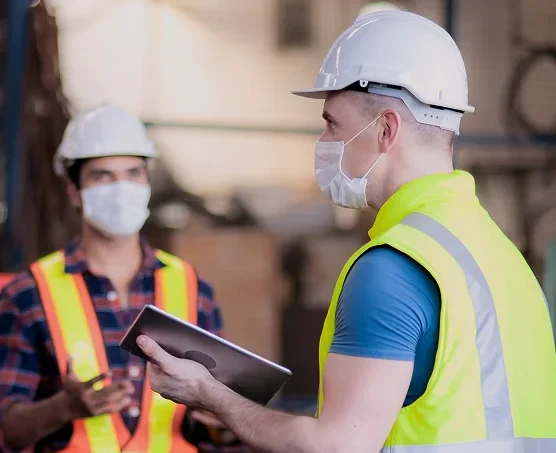
Gain the skills to assess, improve, and maintain compliance within your organization. Our Internal Auditor Training equips you with auditing techniques, risk assessment strategies, and regulatory knowledge to uphold industry standards and enhance operational efficiency.

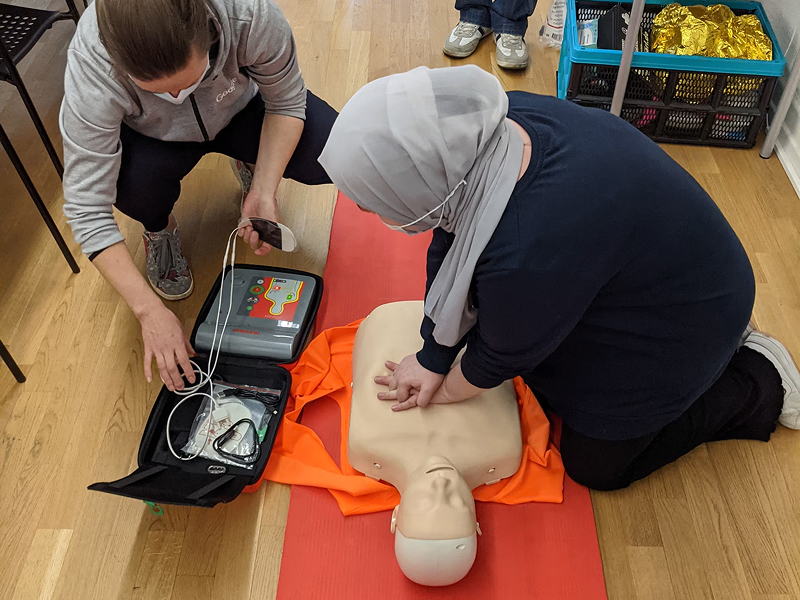
This First Aid at Work training course equips employees with the essential skills to respond quickly and confidently during workplace medical emergencies.
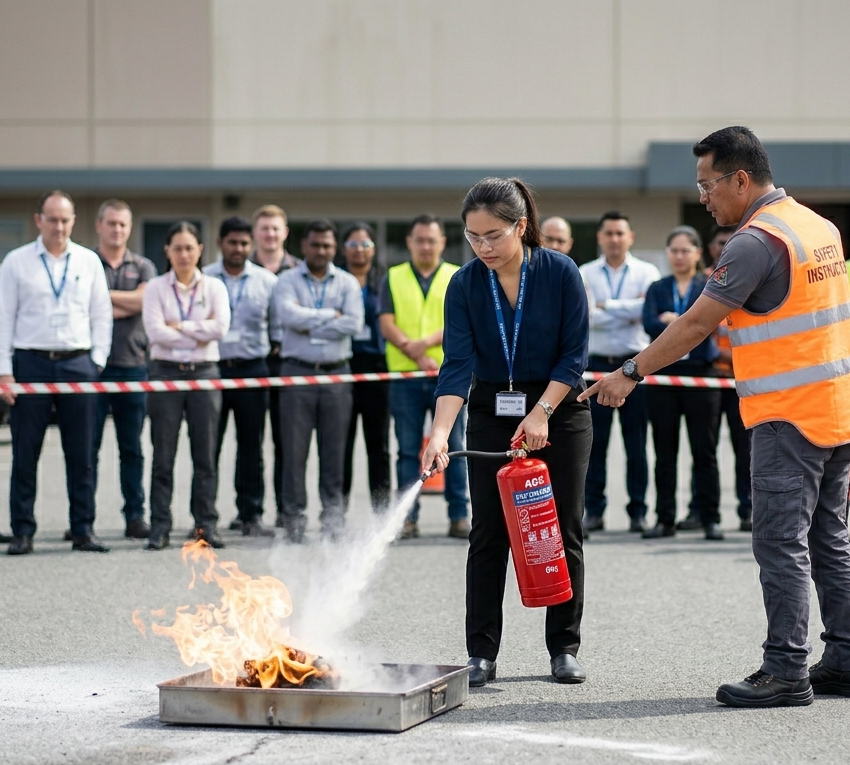
Dubai Civil Defence (DCD) mandates comprehensive fire safety training to ensure that individuals and organizations are well-prepared to prevent and respond to fire emergencies. These courses are designed to equip participants with the knowledge and skills necessary to maintain a safe environment and effectively manage fire-related incidents.
Ensure the safe handling, disposal, and compliance of hazardous waste with our expert consultancy. We help businesses implement best practices, meet environmental regulations, and minimize risks associated with hazardous materials.

Reduce your carbon footprint and achieve sustainability goals with our Net Zero Advisory services. We provide strategic guidance, actionable solutions, and compliance support to help businesses transition toward a greener future.

Ensure safety and compliance in handling Chemical, Biological, Radiological, and Nuclear (CBRN) materials. Our expert consultancy provides risk assessments, safety protocols, and regulatory guidance for managing hazardous substances effectively.

Achieve global compliance, enhance operational efficiency, and build a resilient organization.

Enhance transparency and accountability with comprehensive ESG (Environmental, Social, and Governance) reporting. Our consultancy helps businesses meet regulatory requirements, improve sustainability practices, and build stakeholder trust.

Master the art of clear, confident communication. Our Communication & Presentation Skills training helps you deliver impactful messages, engage your audience, and present ideas with confidence and clarity in any professional setting.

Turn workplace conflicts into opportunities for growth. Our Conflict Resolution training equips you with essential skills to manage disputes, foster collaboration, and achieve positive outcomes through effective communication and negotiation.

Deliver exceptional customer experiences that build loyalty and trust. Our Customer Service Excellence training equips you with the skills to communicate effectively, handle challenges, and exceed customer expectations in any industry.

Strengthen your leadership, communication, and decision-making with Emotional Intelligence. This training helps you understand emotions, build resilience, and enhance relationships for professional and personal success.

Develop the mindset and skills of a great leader. Our Leadership training empowers you with strategic thinking, team management, and communication techniques to lead with confidence and drive success.

Create a healthier work environment by understanding and supporting mental well-being. This training equips you with the knowledge to recognize challenges, reduce stigma, and promote a culture of mental health awareness.

Learn how proper nutrition fuels focus, energy, and performance. This training provides practical strategies to enhance workplace productivity through healthier eating habits and lifestyle choices.

Master the art of selling with proven techniques. Our Sales Training program equips you with effective communication, negotiation, and persuasion skills to build relationships, overcome objections, and drive revenue growth.

Build the resilience to thrive under pressure. This training equips you with techniques to manage stress, enhance well-being, and maintain peak performance in challenging situations.

Develop the skills to negotiate with confidence and achieve win-win outcomes. This training covers strategies for persuasion, active listening, and conflict resolution to help you secure better deals and build stronger relationships.

Become a skilled trainer who inspires and educates. This course equips you with proven techniques to deliver engaging, effective training sessions that enhance learning and retention.

Make confident, strategic decisions that drive success. Our Business Decision Making training equips you with critical thinking, problem-solving, and analytical skills to navigate complex challenges and make informed choices with impact.

Have questions or need expert guidance? Reach out to us! Fill out the form below, and our team will get back to you promptly.
