
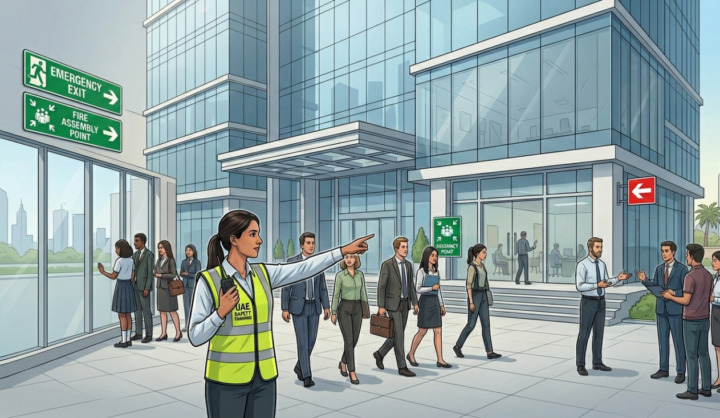
As schools and businesses reopen across the UAE, one reality is becoming clear: safety training, crisis management, and physical security measures are now essential for operational continuity. When teams return after long breaks, risk levels rise. New staff, new routines, and unfamiliar environments create gaps that only proper safety training and reinforced safety infrastructure can close. Organizations that invest early in fire safety, first aid, evacuation drills, crisis communication, and glass window protection are the ones that stay compliant, resilient, and ready for emergencies.
Why Safety Training Matters During Reopening
Reopening increases foot traffic, operational activity, and overall exposure to risk. Employees often forget emergency routes, safety procedures, and communication protocols. New hires may have no training at all. Without structured safety programs, organizations face higher chances of accidents, slower emergency response, and costly compliance issues. Safety training ensures teams know exactly what to do, who to contact, and how to respond during critical situations.
Schools: Protecting Students, Staff, and Campus Operations
Schools face unique challenges during reopening. New students and teachers require clear, simple emergency procedures. Younger populations need faster guidance during fire drills, evacuations, or medical incidents. Administrators must refresh their crisis communication plans and ensure staff are trained in first aid, emergency response, and campus safety. Effective training reduces panic, improves coordination, and strengthens overall school readiness.
Businesses: Strengthening Workplace Safety and Operational Continuity
For companies, reopening means reactivating teams, equipment, and workflows. This transition period is when most safety incidents occur. Employees may overlook hazards, forget safety protocols, or react poorly during emergencies. Crisis management training helps organizations maintain productivity, reduce downtime, and meet UAE safety compliance standards. A trained workforce responds faster, communicates better, and prevents small issues from becoming major disruptions.
The Risks of Reopening Without Proper Training
Organizations that skip safety and crisis training face:
• Slow or incorrect emergency response
• Miscommunication between departments
• Higher accident and injury rates
• Increased liability and compliance penalties
• Panic during fire, medical, or security incidents
The first 90 days after reopening are statistically the most vulnerable, making training a critical investment.
Glass Windows: A Hidden Vulnerability During Emergencies
Many schools and businesses overlook one major risk: glass windows. During external threats, severe weather, or high‑impact incidents, unprotected glass can shatter and cause serious injuries. Reinforcing windows is a simple but powerful step in improving overall safety.
Key protective measures include:
• Installing safety and security film to strengthen glass and reduce shattering
• Reinforcing high‑risk window areas such as entrances, reception zones, and classrooms
• Repositioning staff and students away from direct window lines during drills and emergencies
• Ensuring blinds or barriers can be deployed quickly during external threats
• Training teams on safe zones and protective stances in case of glass breakage
These measures significantly reduce injury risks and improve response time during unexpected events.
External Threat Preparedness: Practical Tips for Schools and Businesses
Beyond internal emergencies, organizations must be ready for external threats.
Practical, easy‑to‑implement steps include:
• Identifying safe rooms or interior zones away from windows
• Training staff to lock, secure, and cover doors quickly
• Establishing clear communication channels for rapid alerts
• Practicing silent or low‑visibility drills when needed
• Ensuring all staff know assembly points and secondary evacuation routes
• Reviewing access control systems and visitor management procedures
Preparedness reduces panic, improves coordination, and ensures faster decision‑making during high‑pressure situations.
Marshal’s Safety, Crisis‑Readiness, and Physical Protection Programs
Marshal provides practical, industry‑aligned training programs designed for schools, offices, and high‑risk environments.
Safety Courses:
• Fire Safety and Evacuation Training
• First Aid and Emergency Response
• Crisis Management and Communication
Specialized Emergency Preparedness Courses & Services:
• School Emergency Preparedness Programs
• Glass Window Safety Reinforcement and Safety Film Solutions
These programs & services help organizations build confidence, reduce risk, and ensure compliance with UAE safety standards.
Reopening is not the finish line — it’s the starting point.
Protect your people, strengthen your operations, and ensure your school or business is fully prepared.
Book your safety, crisis‑readiness, and glass window protection solutions with Marshal today and reopen with confidence.
Check out our training courses here:
First Aid Training: First Aid Certification Training | Practical Emergency Skills
Fire Safety Training: Fire Safety & Awareness Training | Protect, Prevent & Respond
Crisis Management Training: Crisis Management Training Course & Practical Response Skills
Emergency Preparedness & Response Training: Emergency Preparedness Training Response & Readiness