
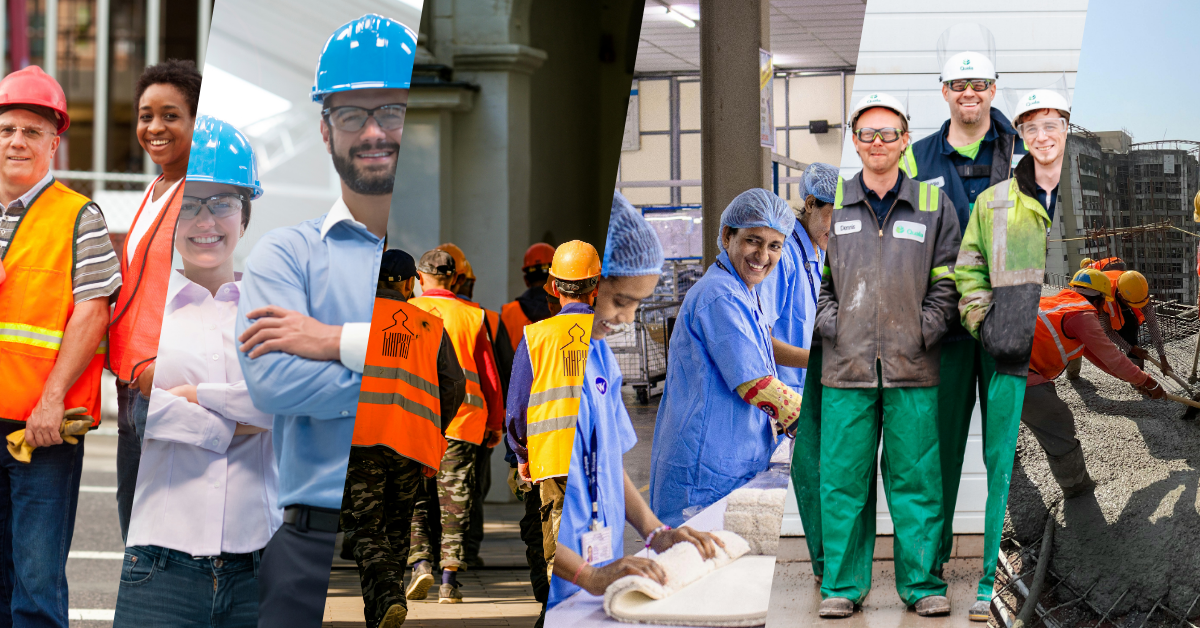
Walk onto a large industrial site in the Gulf and you may hear Arabic, Hindi, Urdu, Tagalog, Bengali, Swahili and English within a few minutes. Supervisors, contractors and specialists come from different countries, with different training backgrounds and different ideas about what “safe” means.
For HSE managers this is an everyday operating condition, and it shapes how safety has to be run. A policy written in English and delivered in a single induction session will not build a culture. Here is what does.
1. Start with what each group already believes about safety
Attitudes to risk, authority and speaking up are shaped by where people have worked before. In some workplaces, questioning a supervisor is seen as disrespectful. In others, stopping a job is normal. If workers hesitate to raise a concern, the cause is often habit or fear of consequences, not carelessness.
Before writing a single new procedure, talk to people. Short conversations and small group sessions with workers from different nationalities and job levels will tell you where the gaps in trust and understanding are.
2. Make the language barrier a design problem, not a worker problem
The aim is to make critical safety information impossible to misunderstand. That means:
- Visual communication first. Pictograms, colour coding and clear signage work across languages. Use them for hazards, PPE zones, emergency routes and permit status.
- Translate what matters, and check the translation. Have native speakers review translated materials. A wrong word in a warning can be worse than no warning.
- Use simple, consistent terms. Choose one word for each key concept and use it everywhere. Avoid idioms and long sentences.
- Confirm understanding by asking workers to demonstrate it. “Do you understand?” almost always gets a yes. “Show me how you would isolate this equipment” tells you the truth.
3. Train supervisors to lead across cultures
Culture is set at the frontline. A supervisor who can explain a hazard clearly, listen without judgement and treat every worker with equal respect does more for safety than any poster campaign.
Supervisors need training in more than technical rules. They need practical skills in giving clear instructions, running short toolbox talks that all workers can follow, encouraging people to report near misses, and responding calmly when someone raises a problem. Strong supervisor training is often the highest-return investment a site can make.
4. Build bridges with multilingual safety champions
Choose respected workers from each language group and give them a clear role: help explain procedures, relay concerns, and model good behaviour. This gives management a reliable link to every part of the workforce and shows workers that their voices count.
Support these champions properly. Give them training, recognition and time to do the job, and make sure management acts on what they report. If nothing changes after feedback is given, trust disappears quickly.
5. Make reporting easy, safe and worthwhile
A safety culture depends on information, and information depends on people being willing to report. Make it easy with simple reporting methods that do not rely on strong written English, such as verbal reporting to a champion, pictorial forms or a mobile option in several languages.
Just as important, respond visibly. When a near-miss report leads to a fix, tell the workforce. People report more when they see that reports lead to action, and they stop when they see blame.
6. Keep leadership visible and consistent
Workers watch what leaders do. If senior managers follow the same PPE rules, stop work when conditions are unsafe and take time to speak with workers on the floor, the message is clear. If production pressure regularly overrides safety, no training programme will fix that.
Consistency across contractors matters too. On multi-employer sites, agree common expectations and standards from the start, and make sure every contractor’s workers receive the same core safety message.
7. Measure culture, not just incidents
Lagging indicators like injury rates tell you what has already gone wrong. To see how culture is developing, also track leading indicators:
- Number and quality of near-miss reports
- Participation in toolbox talks and safety meetings
- Results from short, translated perception surveys
- Stop-work interventions and how they were handled
Watch for differences between language groups or contractors. A gap in reporting from one group is a sign that something is not working for them.
Bringing it together
Building a safety culture across nationalities and languages takes deliberate effort, but it is achievable. Focus on clear communication, capable frontline supervisors, trusted champions, easy reporting and consistent leadership, and workers will act on safety because they understand it and believe in it, not only because they are told to.
At Marshal Training, we deliver HSE, first aid, fire safety and management training for organisations across the UAE and the wider region, including programmes designed for mixed, multinational teams. If you would like to discuss training for your supervisors or wider workforce, get in touch with our team.
Explore our full range of workplace safety programmes on the HSE page of our website.