
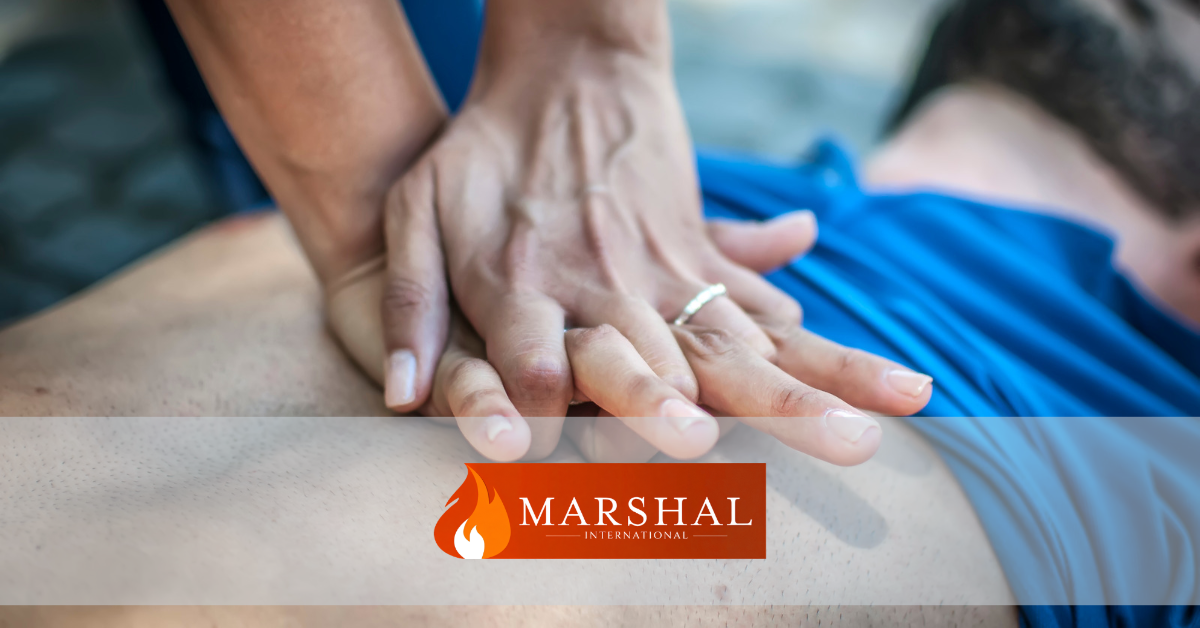
Imagine witnessing a serious road accident.
Emergency services have been called, but they haven’t arrived yet. An injured person is lying on the road. Vehicles are slowing down. People are gathering. Everyone wants to help, but many hesitate because they are unsure what to do.
Beginning January 1, 2027, new UAE traffic regulations introduce provisions that allow trained individuals to provide first aid to people injured in traffic accidents, provided they hold a valid first aid certification issued by an approved authority.
This is a significant development for road safety in the UAE and highlights something safety professionals have known for years:
The first few minutes after an emergency can be critical.
What Is Changing?
The UAE’s new traffic regulations, which come into effect on January 1, 2027, include provisions governing when trained individuals may provide first aid to victims of traffic accidents.
Under the new framework, first aid assistance may be provided by individuals who possess valid and recognized first aid training and certification.
The change reinforces the importance of ensuring that assistance is provided by people who have received proper instruction in emergency response procedures rather than relying on guesswork or well-intentioned but potentially harmful actions.
Why the First Few Minutes Matter
In any emergency, time is crucial.
Whether the incident involves severe bleeding, unconsciousness, choking, shock, or cardiac arrest, the condition of the injured person can deteriorate rapidly before professional responders arrive.
Emergency services in the UAE are highly capable and responsive. However, no emergency system can instantly appear at every accident scene.
This is where trained first aiders can make a meaningful difference.
A person who understands basic first aid principles can help secure the scene, assess the situation, provide immediate care within their training, and support the casualty until emergency responders take over.
Good Intentions Are Not Always Enough
Many people assume first aid is simply common sense.
Unfortunately, this is not always true.
Moving an injured casualty incorrectly, failing to recognize a serious condition, or attempting untrained interventions can sometimes worsen injuries.
The purpose of accredited first aid training is not only to teach people how to help. It is also to teach them:
- When to intervene
- When not to intervene
- How to assess risks safely
- How to communicate effectively with emergency responders
- How to protect both the casualty and themselves
Proper training builds confidence while reducing unnecessary risks.
Building a More Prepared Community
The new regulations send an important message:
“Safety is a shared responsibility.”
While emergency responders remain the primary line of response during accidents, community preparedness plays an important supporting role.
When more people possess first aid knowledge, workplaces, public spaces, schools, communities, and road users become better equipped to respond during emergencies.
A trained bystander may be a colleague, a friend, a family member, or a complete stranger.
In a crisis, that training could make a meaningful difference before professional help arrives.
First Aid Training Is Not Just for the Workplace
Many organizations provide first aid training to meet workplace requirements. While compliance is important, the benefits extend far beyond the workplace.
First aid skills can be used:
- During road traffic accidents
- At home
- In public places
- During sporting activities
- In schools and educational facilities
- During community events
- Whenever a medical emergency occurs
Emergencies are unpredictable. Training helps individuals respond confidently rather than freeze under pressure.
A Valuable Life Skill
The latest developments in the UAE reinforce the growing recognition that first aid knowledge is a valuable life skill.
Knowing how to assess an emergency, protect yourself, support an injured person, and assist until professional responders arrive can make a critical difference when every second counts.
While we all hope never to encounter a serious road accident, preparation is always better than regret.
Learn Life-Saving Skills with Marshal Training
At Marshal Training, our First Aid and AED training programs are designed to equip participants with practical, hands-on emergency response skills that can be applied both in the workplace and everyday life.
Our courses provide participants with the knowledge and confidence needed to respond appropriately during medical emergencies while following recognized first aid practices.
If a loved one, colleague, or stranger needed help tomorrow, would you know what to do?
Enrol in a Marshal Training First Aid course today and gain the skills that could help save a life.
Related article:
First Aid and CPR Training Center in Dubai | Marshal Training